Bonus Offers & Free Spins: What the Rules Mean for You
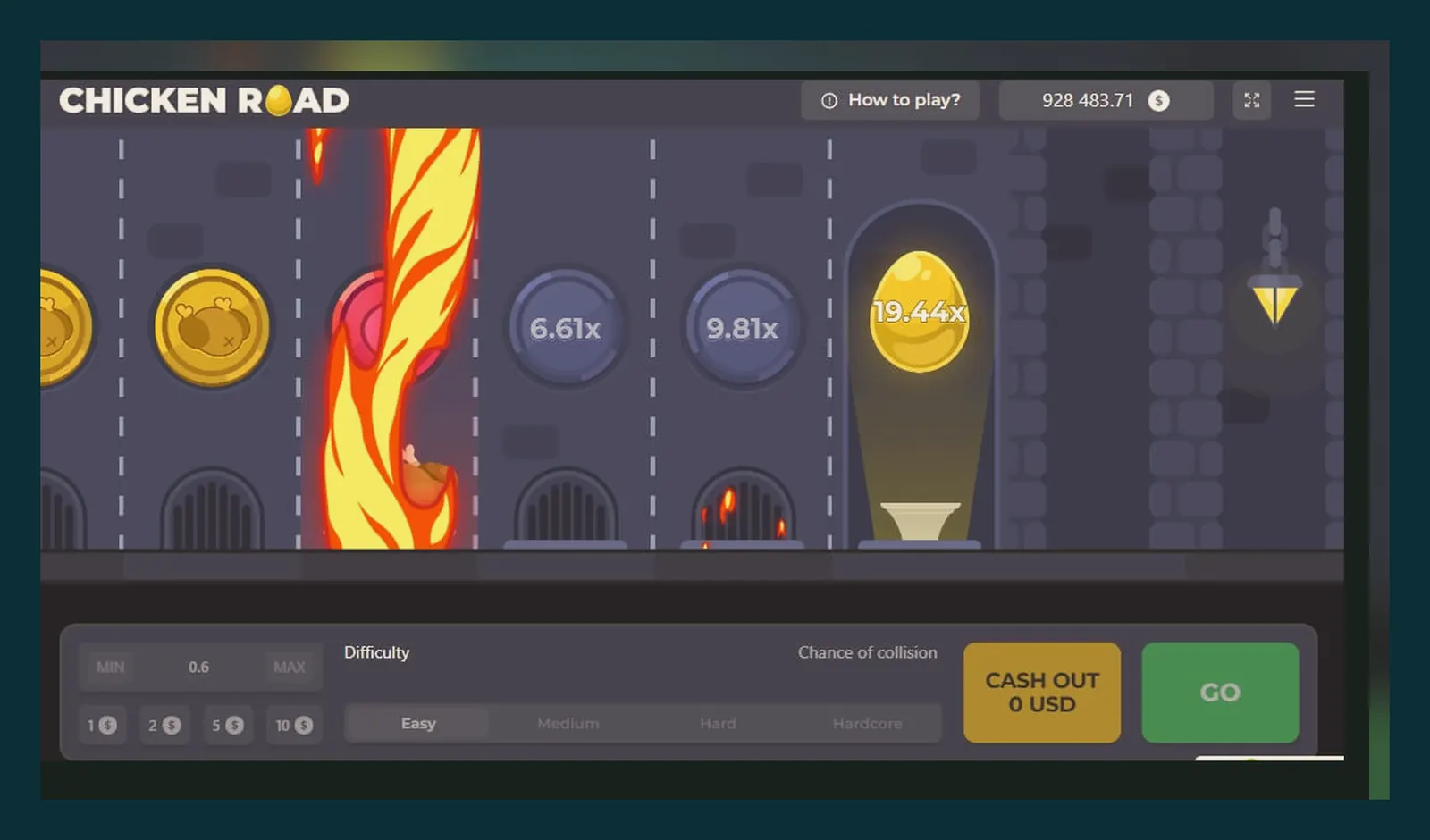
You open the promotions tab. Three offers: «100 free spins,» «200% match up to £50,» «£10 no deposit.» They all look generous until you tap the terms link and see «40× wagering, £100 max win, debit card only, 7 days.» Suddenly the arithmetic matters.
In the UK market, every bonus you see comes with UKGC-mandated transparency: wagering requirements, contribution rates, time limits, and withdrawal caps must be stated up front. This page walks through which formats exist, what each costs in practice, and which conditions bite hardest when you're playing a game like Chicken Road 2.
The Four Formats You'll Actually See
Operators serving British players offer four main bonus structures, each with its own maths and risk profile.
- Match deposit: the site adds a percentage of your deposit, typically 50%–200%, up to a ceiling. Example: deposit £20, get £30 extra with a 150% match capped at £50.
- Free spins: a fixed number of spins at a set stake, usually £0.10–£0.20 per spin. Winnings from those spins become bonus funds subject to wagering.
- No-deposit bonus: £5–£10 credited when you verify your account, no deposit required. Wagering is steep—often 50×–60×—and max withdrawal is low.
- Cashback: a percentage of net losses returned as bonus or real cash over a period. Real-cash cashback is rare but has no wagering; bonus cashback does.
For a crash-style game with quick rounds and player-controlled exit, match bonuses and free spins are the practical choices. Cashback matters if you're grinding sessions; no-deposit offers are a test drive but rarely convert to meaningful withdrawals.
Example Offers Across UK Sites
Below are illustrative offers collected from UKGC-licensed operators in October 2026. Terms change frequently; always check the current version on the site itself and verify the licence number in the footer against the UKGC public register.
| Brand | Type | Amount | Spins | Min deposit | Wagering | Max win | |
|---|---|---|---|---|---|---|---|
| Site A | Match | 100% up to £100 | — | £10 | 35× | £500 | → |
| Site B | Free spins | 50 spins | 50 × £0.10 | £20 | 40× | £100 | → |
| Site C | Match + spins | 150% up to £50 | 25 × £0.20 | £10 | 40× | £200 | → |
| Site D | No deposit | £10 bonus | — | £0 | 60× | £50 | → |
| Site E | Cashback | 10% weekly | — | £50/week | 1× bonus | No cap | → |
| Site F | Match | 200% up to £25 | — | £10 | 50× | £100 | → |
| Site G | Free spins | 100 spins | 100 × £0.10 | £20 | 35× | £250 | → |
| Site H | Match | 50% up to £200 | — | £20 | 40× | £1,000 | → |
Why Match Bonuses Suit This Game
Chicken Road 2 is a crash game: you pick a path, cash out when you want, and the round resolves in seconds. That rhythm makes match deposit bonuses more useful than free spins tied to a fixed stake.
A match bonus gives you a lump sum added to your balance. You control the stake on each round—important because the game doesn't have preset paylines or spin values. You can spread small bets across many rounds or push harder when the odds feel right. Free spins, by contrast, lock you into a fixed stake per spin, and many operators exclude crash games from free-spin eligibility altogether because the mechanic doesn't fit.
Wagering still applies: if you claim a £50 match bonus with 40× wagering, you need to turn over £2,000 in bets before you can withdraw. In a crash game, that's feasible if you mix conservative and aggressive rounds, but it demands discipline. One long losing streak eats the bonus fast.
The Arithmetic That Actually Matters
Wagering requirements sound abstract until you do the sums. Here's a worked example using a common UK offer: 100% match up to £50, 40× wagering, £200 max win.
- You deposit £50. The site adds £50 bonus. Total balance: £100.
- Wagering requirement: £50 bonus × 40 = £2,000 in total bets.
- You play Chicken Road 2 at an average stake of £1 per round. That's 2,000 rounds to clear wagering.
- If the game's RTP is 97%, you expect to retain about £1,940 after those 2,000 rounds, losing roughly £60 to the house edge.
- You started with £100, so finishing with £40–£60 is realistic if variance doesn't spike. Any amount above that—up to the £200 cap—is withdrawable once wagering clears.
Key point: the house edge applies to the full turnover, not just the bonus. If you deposit £50 and get £50 bonus, you're risking £100 of real capital plus the statistical drag of wagering. A bad run can zero the balance before you clear the requirement.
Now compare that to a no-deposit £10 bonus with 60× wagering. You'd need to turn over £600 with zero initial risk, but the max withdrawal is capped at £50. Even if you beat the odds and build the balance, you're walking away with a fraction of the winnings. The maths rarely favours no-deposit offers unless you treat them purely as a trial.
The One Condition That Hurts Most in Each Format
Every bonus format has a catch that players underestimate until it bites.
For Chicken Road 2, the max bet cap is the killer. The game's appeal is adjusting your stake to match your risk appetite. A £5 ceiling during wagering flattens that flexibility, especially if you're chasing higher multipliers that need bigger entry bets to feel the reward.
What UKGC Rules Change for the Player
Every site serving British players needs a UKGC remote licence; the licence number sits in the footer, and you can look it up in the public register to confirm legitimacy. Beyond that basic gate, three regulatory measures shape how bonuses work here.
- Affordability checks: operators must monitor deposits. From £150 net deposits in a month, they start soft checks using credit-reference data. At higher levels, they may ask for payslips or bank statements. This isn't about bonuses directly, but it limits how much you can deposit to chase wagering in the first place.
- Stake caps by age: if you're 18–24, the site must enforce a £2 maximum stake per spin or round. That includes bonus play. For older players, the cap is £5. These limits apply to slots and slot-like games; crash games sit in a grey zone, but many operators apply the caps anyway to stay safe.
- Credit card ban: since 2020, you can't deposit with a credit card. Only debit cards, e-wallets, or Open Banking. That means no bonus chasing on credit, which is a hard stop for players used to juggling balances.
The stake cap is the biggest friction point for this game. If you're under 25, your max bet is £2 even during bonus play, which limits how aggressively you can chase multipliers. For older players, the £5 cap still bites if you normally stake higher. There's no workaround—these are licence conditions, not site policies.
Common Myths and What the Data Actually Shows
Three myths circulate about bonuses in crash games. Here's what the mechanics and UK market data say.
- Myth: «Wagering is easier in crash games because you control the cash-out.» Reality: you control when to exit, but the house edge still applies to every bet. Wagering 40× means turning over 40 times the bonus amount, and the RTP drag—typically 3%–5%—eats into your balance across that volume. Player control doesn't change the statistical cost.
- Myth: «No-deposit bonuses are free money.» Reality: the wagering multiplier is so high (50×–60×) and the max withdrawal so low (£50–£100) that converting the bonus into real cash is rare. They're useful for testing a site, not for profit.
- Myth: «Slots bonuses don't work for crash games.» Partly true: many operators exclude crash games from free-spin offers or cap contribution at 10%–50% of each bet. Match bonuses usually count 100%, but always check the terms. A £50 bonus that contributes at 50% means you need £4,000 in turnover instead of £2,000.
The last point is critical. If the bonus terms list game weightings and crash games aren't at 100%, your effective wagering requirement doubles or worse. That's not disclosed in the headline offer—you find it in the fine print or the dedicated terms page.
FAQ
Do I need to wager my own deposit or just the bonus?
Most UK bonuses require wagering only the bonus amount, not your deposit. For example, a £50 bonus with 40× wagering means £2,000 turnover, but your £50 deposit stays yours and can be withdrawn once wagering clears. Some offers—less common—apply wagering to deposit + bonus; those terms will state «40× (deposit + bonus)» explicitly. Always check the specific wording.
How long does it take to clear wagering in a crash game?
It depends on your stake and session length. At £1 per round and 40× wagering on a £50 bonus, you need 2,000 rounds. If each round takes 15–30 seconds and you're playing steadily, that's 8–16 hours of active play spread over the bonus validity period, which is typically 7–30 days. Skipping days or playing in short bursts is fine as long as you clear it before expiry. The game's quick rounds make it faster than most slots, but the volume is still significant.
Can I withdraw before I finish wagering?
Yes, but you forfeit the bonus and any winnings derived from it. Only your original deposit (minus any losses) remains. Some sites let you cancel the bonus manually in your account settings; others void it automatically when you request a withdrawal. Once wagering is complete, the bonus converts to real cash up to the max win cap, and you can withdraw normally. First-time withdrawals take longer—24–48 hours—because the operator must verify your ID and payment method.
Why do some offers exclude crash games or cap contribution?
Operators view crash games as higher risk for bonus abuse because players control the exit point and can employ low-risk strategies to clear wagering. To counter that, they either exclude crash games entirely or count each bet at 10%–50% toward wagering instead of 100%. A £1 bet in a crash game might only contribute £0.50, doubling the effective requirement. This isn't a UKGC rule—it's the operator's commercial decision. Always check the game weighting table in the bonus terms before claiming.