Demo Play: What the Free Mode Actually Shows You
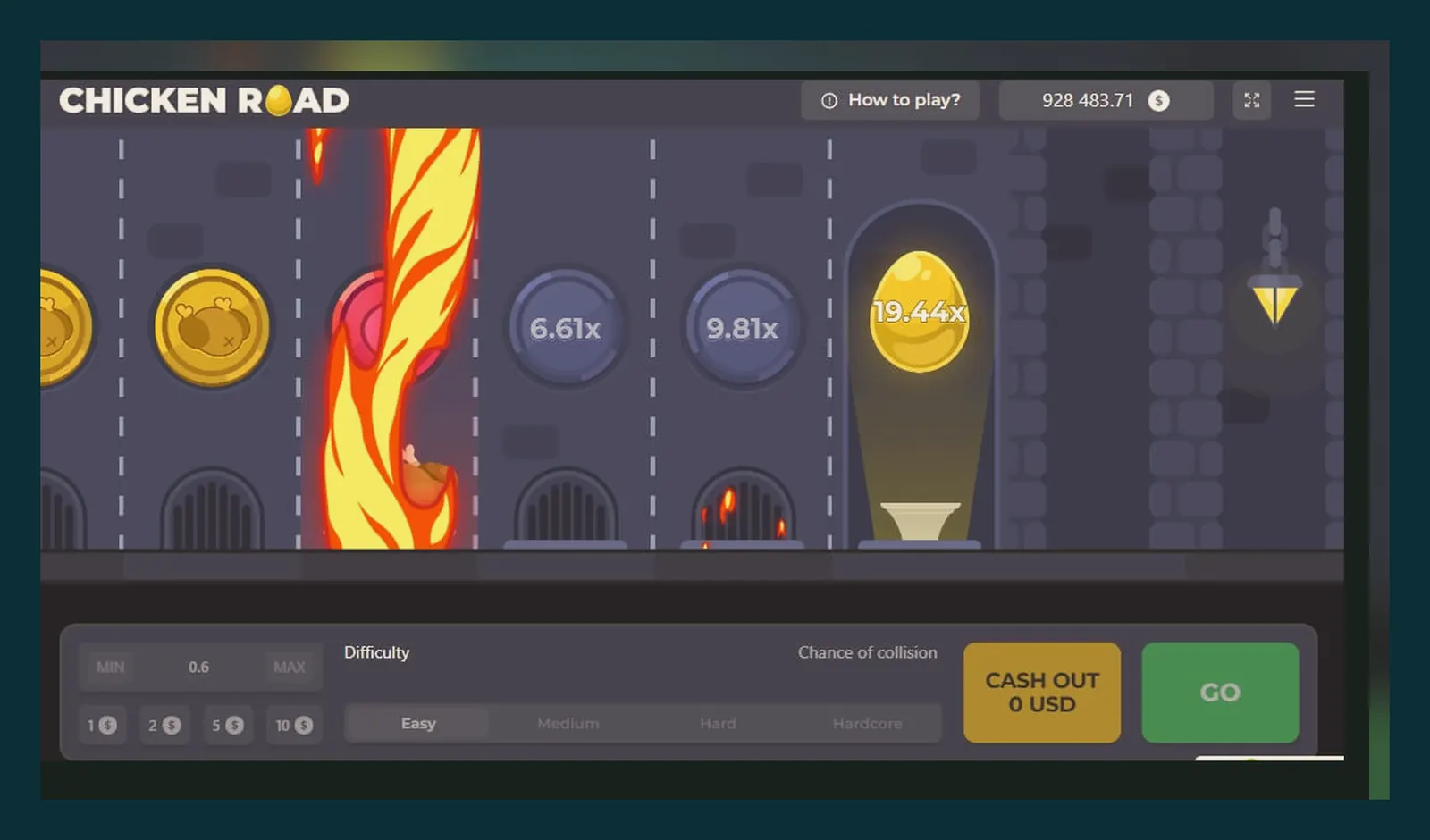
Most UKGC-licensed sites let you spin Chicken Road 2 in demo mode without risking a penny, but the rules around free play in the UK are stricter than you might expect. Since the tightening of advertising standards and age-verification requirements, many operators gate even the demo behind a logged-in, age-verified account. You won't always find an «instant play, no sign-up» button the way you might on a Curaçao site.
This page answers the questions support teams hear most: whether you need to register to try the demo, what the session looks like, which numbers are real and which are theatre, what the demo deliberately hides, and how to move to real money without stumbling into a bonus you didn't want or a withdrawal delay you didn't see coming.
Where the Demo Lives and Whether You Need an Account
On a UKGC-licensed site, the demo usually sits in the same lobby as the real-money version. Some operators let you launch it before you log in; others require registration and age verification first. The second approach is more common now, because the Gambling Commission expects sites to confirm you're 18+ before you see any gambling product, even in free mode.
If the site asks for an account, you'll provide your name, date of birth, email, and postcode. The operator runs an initial check against credit-reference data to confirm your age and identity. That usually takes a few seconds. Once you're verified, the demo unlocks. You don't deposit anything at this stage; you're just proving you're old enough to be there.
- Age check happens before the demo on most UK sites.
- No deposit required, but registration and verification often are.
- The demo balance is fictional—typically £1,000 to £5,000 in play money.
- Bet limits in demo mirror the real-money caps: £5.00 maximum per round, £2.00 if you're 18–24 and the operator has flagged your age bracket.
What a Demo Session Actually Looks Like
When you load the demo, the interface is identical to the real-money game. The bet slider shows the same range—£0.10 to £5.00—and the grid, multipliers, and animations all behave the way they will when you switch to cash. The RNG is the same certified algorithm; the game doesn't hand out inflated wins to lure you in. That would violate the licence terms.
Your demo balance resets whenever it drops too low or whenever you refresh the page. There's no withdrawal button, no bonus-terms link, and no KYC reminder. The payout percentage and volatility are real, so you'll see the same spread of outcomes—long dry runs, sudden clusters, occasional high multipliers—that you'd face with your own money. The difference is that none of it costs you anything and none of it pays out.
The pace and rhythm are authentic. If the real game can drain £50 in ten minutes during a cold streak, the demo will show you that tempo. If a 50× multiplier hit feels rare, it will feel rare in demo too. That's the point: you're testing the experience, not a rigged preview.
What the Demo Hides from You
The demo shows you the game; it doesn't show you the operator's systems. Three things are invisible in free play: the withdrawal process, the KYC queue, and the bonus-wagering treadmill.
- Withdrawal timings and limits. In demo, you never request a payout, so you don't see how long the first withdrawal takes (24–48 hours for document checks, then same-day to two working days for Faster Payments once you're verified), or what the minimum and maximum amounts are. Those details sit in the cashier and the terms, neither of which you visit in demo mode.
- KYC and affordability checks. The operator will ask for proof of identity, address, and sometimes income before your first withdrawal. If your net deposits cross £150 in a month, automated affordability screening kicks in, and at higher thresholds a manual review may follow. None of that surfaces in demo.
- Bonus terms. Many welcome offers come with 35× to 50× wagering and game-weighting rules that exclude or limit crash games. The demo balance isn't bonus money, so you never confront the wagering bar, the countdown timer, or the max-bet restriction that applies when you're clearing a bonus.
In short, the demo is a clean simulation of the game itself, but it's silent on the friction points that appear the moment real money enters the picture.
Does the Demo Work on a Phone?
Yes. Chicken Road 2 runs in a mobile browser on iOS and Android without needing a native app. You open the operator's site in Safari or Chrome, log in (or register if the demo requires it), find the game in the lobby, and tap the demo button. The layout adapts to portrait and landscape; the bet slider and cash-out control remain thumb-friendly.
Some UK operators offer a progressive web app that you can add to your home screen. It's not a download from the App Store or Google Play—it's a shortcut that opens the site in a standalone browser window. The demo works exactly the same way there. If the operator does have a native app in the UK store, the demo will be inside it, gated by the same age check.
- No APK files or third-party downloads; UK law requires licensed operators to use official app stores or browser play.
- Demo balance and bet limits are identical on mobile and desktop.
- Touch controls for the cash-out button are fast, but latency depends on your connection, not the device.
- If you're on a metered data plan, the game uses a few megabytes per session; Wi-Fi is steadier for longer demo runs.
The Lowest-Risk Path from Demo to Real Money
Once you've spent time in demo and decided you want to play for real, the safest approach is to deposit a small amount—£10 or £20—without claiming a bonus. That gives you a clean balance with no wagering requirements and lets you withdraw any winnings immediately (after KYC, which happens on the first payout regardless of amount).
If you do take a welcome bonus, read the terms before you click. Check the wagering multiple (35× or higher is common), the time limit (often 30 days), the maximum bet while the bonus is active (usually £5.00, sometimes lower), and whether crash games contribute fully or are excluded. Many bonuses weight slots at 100 per cent and crash games at 10 per cent or zero, meaning you'd need to wager ten times as much to clear the same bonus.
| Approach | Upside | Downside |
|---|---|---|
| Small deposit, no bonus | Withdraw any time after KYC; no wagering | No bonus value; you're playing on your own money from the start |
| Welcome bonus accepted | Extra play money; can extend your session | Wagering requirement locks winnings; max-bet cap; some games excluded or weighted low |
| Deposit over £150/month | Higher budget for serious play | Affordability check triggers; may need to provide payslips or bank statements |
Before you deposit, look the operator up in the UKGC public register and match the licence number in the footer of the site. Every legitimate operator serving British players holds a remote gambling licence from the Commission. If the number isn't there or doesn't match, you're on an unlicensed site, and you have no regulatory protection if something goes wrong.
Common Questions We Hear in Support
These five questions come up most often from players trying the demo or switching to real money for the first time.
FAQ
Do I need to verify my age just to try the demo?
On most UKGC sites, yes. The operator runs an automated age check against credit-reference data when you register. It takes a few seconds and doesn't require you to upload documents at that stage. Some sites let you launch the demo without logging in, but that's less common now. If the site asks for an account, age verification happens before you see any gambling product, including free play.
Can I win real money in demo mode?
No. The demo balance is play money. You can see multipliers hit and your fictional balance climb, but there's no cash-out button and no way to convert demo winnings into withdrawable funds. The only route to real winnings is to deposit and play with your own money or bonus funds that meet the wagering requirements.
Does the demo show the real RTP and volatility?
Yes. The demo runs the same certified RNG as the real-money version, so the payout percentage and volatility are identical. You'll see the same frequency of wins and losses. The game doesn't inflate results to make demo play look easier. What you experience in free mode is what you'll face with cash.
Why does the demo ask for my postcode and date of birth if I'm not depositing?
UK regulations require operators to confirm you're 18 or over before you access any gambling product, even in demo. The postcode and date of birth let the operator run an initial check against credit-reference records. No documents are needed at this point—that comes later, before your first withdrawal—but the age gate applies to free play as well.
If I've played the demo for hours, will switching to real money feel different?
The game mechanics and pace are identical, but the psychology changes. In demo, a losing streak costs you nothing; in real money, it costs whatever you've deposited. The RTP and volatility don't change, but your emotional response to variance will. That's why starting with a small deposit and no bonus gives you a clearer picture: you're testing your own reaction to real risk, not just the game's behaviour.